
Metadata Enrichment Explained: Keywords, Sentiment, Object Detection & Localisation
A practical guide to how video metadata optimisation works, what each layer does, and why it matters for content discoverability, contextual advertising, and creator revenue.
What is metadata enrichment?
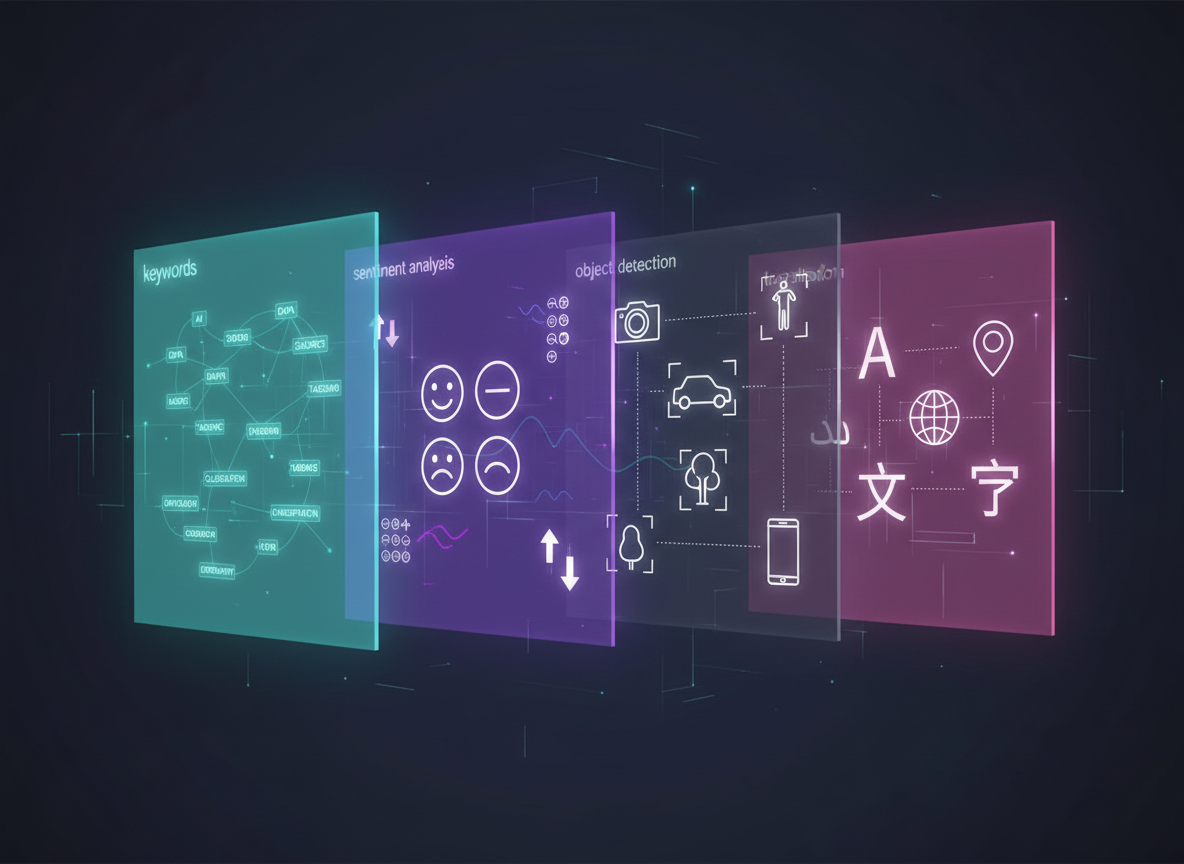
Metadata enrichment is the process of automatically adding structured, meaningful information to content - beyond what a human would typically enter manually. It transforms basic title-and-description metadata into a rich, multi-layered data set that platforms can actually use to recommend videos and match ads.
For content businesses, this is not a nice-to-have. It directly affects how titles are discovered, how ads are matched, and how much revenue each piece of content can generate.
The layers of enrichment
1. Keyword extraction
AI analyses the content - video, audio, and text - to identify relevant keywords and topics. These are not generic tags. They are contextually accurate terms that reflect what the content is actually about.
Impact: Better search ranking on platforms, improved recommendation engine matching, more accurate content categorisation.
2. Sentiment analysis
Sentiment analysis evaluates the emotional tone of content - whether a scene is dramatic, comedic, tense, or uplifting. This data is increasingly valuable for ad placement, where advertisers want to match brand tone to content mood.
Impact: Higher CPMs from contextual ad matching, better brand safety alignment, more sophisticated inventory positioning.
3. Object and scene detection
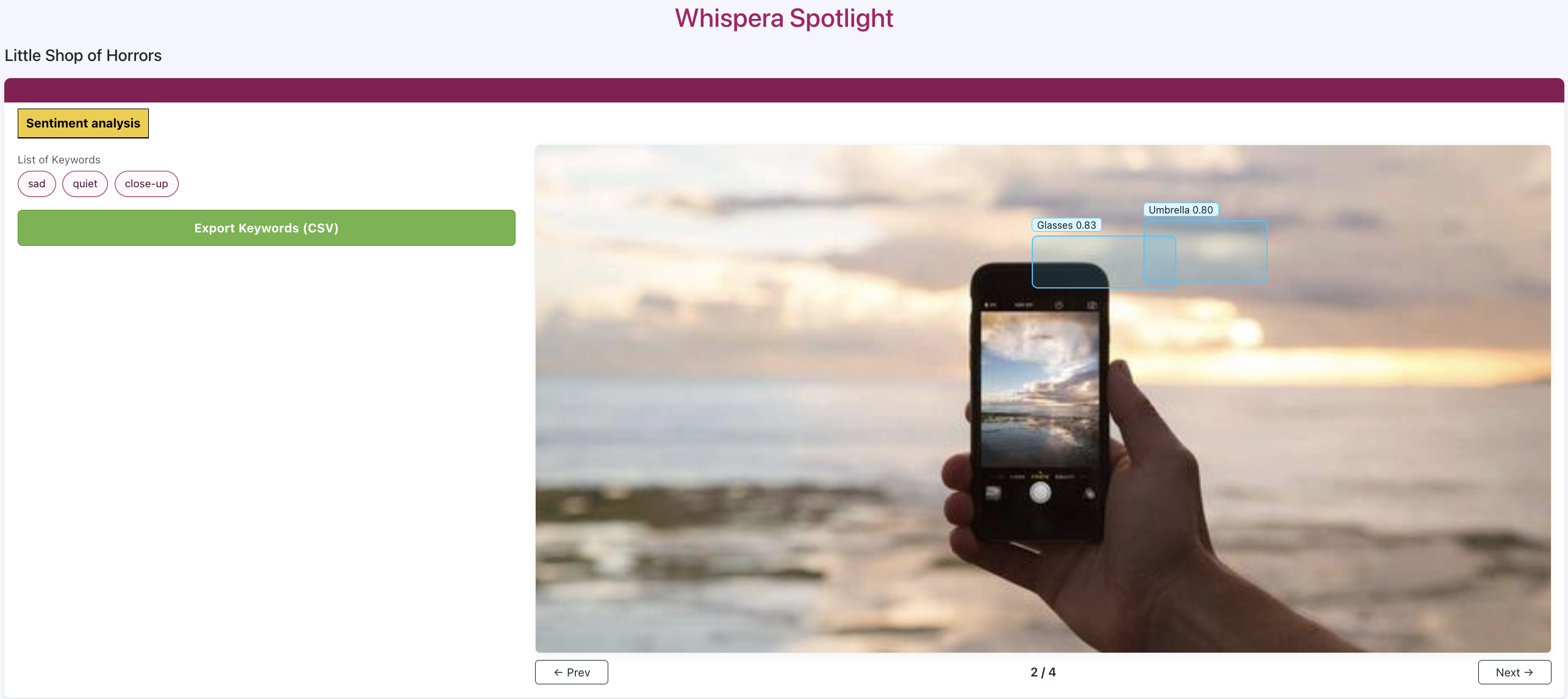
Visual AI identifies objects, locations, activities, and scene types within video content. A cooking show gets tagged with kitchen, food preparation, and specific ingredients. A travel documentary gets tagged with locations, landmarks, and activities.
Impact: Enables granular content classification that manual tagging could never achieve at scale. Unlocks contextual advertising opportunities that require visual understanding.
4. Transcription and title generation
Automated transcription converts spoken content into searchable text. AI then generates optimised titles, descriptions, and summaries tailored to different platform requirements and audience segments.
Impact: Content becomes searchable at the dialogue level. Platform-specific descriptions improve click-through rates and engagement.
5. Localisation and accessibility
Enrichment extends to subtitle generation, translation, and accessibility metadata. This is not just about compliance - it is about making content available to wider audiences and meeting platform requirements for international distribution.
Impact: Opens new territories and audiences. Meets platform accessibility requirements. Increases total addressable market for every title.
Why this matters commercially
Each layer of enrichment compounds. A title with strong keywords, accurate sentiment tags, visual scene data, and localised metadata is fundamentally more valuable than the same title with a basic description and genre tag.
It is more discoverable. It attracts better-matched advertising. It qualifies for more platforms and territories. And it requires less manual intervention to maintain.
For smaller content businesses, this is the difference between a catalogue that sits idle and one that actively generates revenue across every channel it reaches.
See it in action
Whispera’s video metadata optimisation workflow handles all five layers from one platform. Book a demo to see how it works with your catalogue.
Book a demo